

The Lasting Impact of Sun Exposure: What Happens to Your Skin Over Time?
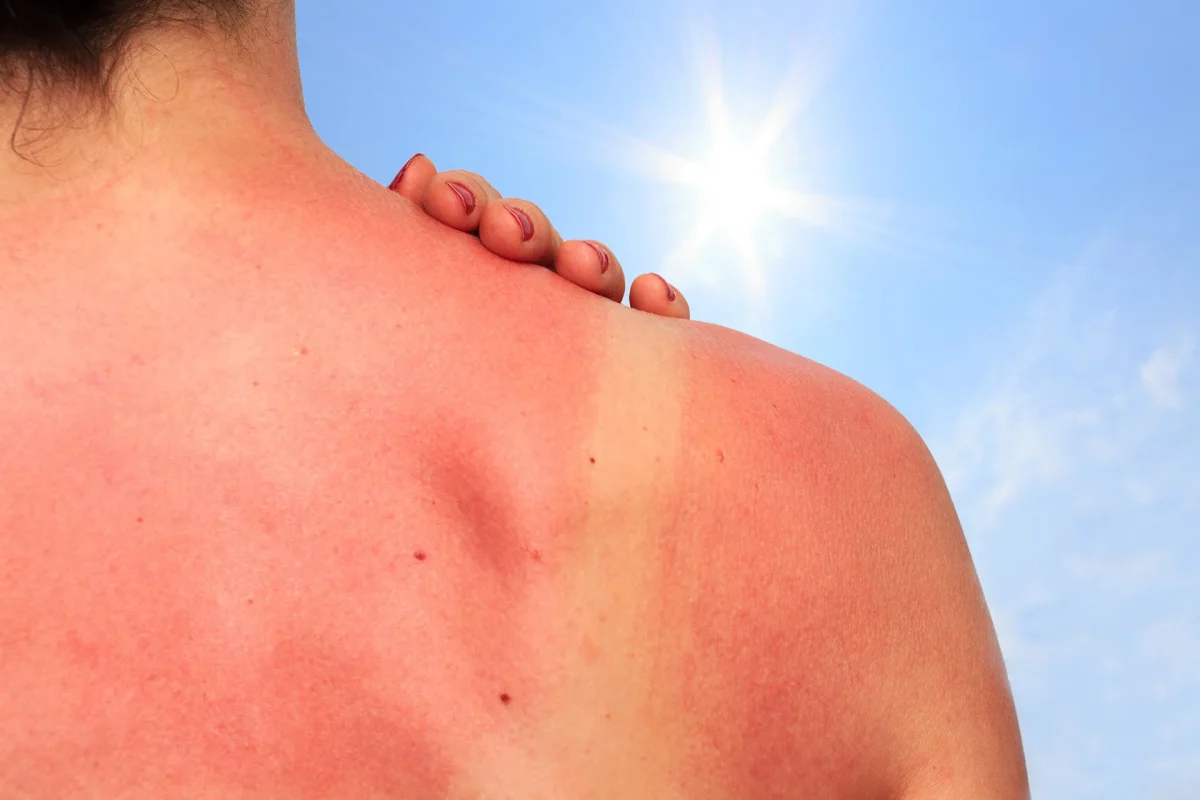
When you think of a day at the beach or an afternoon in the garden, you probably picture sunshine, laughter, and relaxation. But have you ever wondered what all that sun exposure is actually doing to your skin? The truth is, every time your skin soaks up the sun’s rays, subtle changes start to happen beneath the surface—changes that aren’t always visible right away. Over months and years, these sun exposure effects on skin can add up, leading to issues that go far beyond a summer tan or a mild sunburn. Ultraviolet (UV) rays from the sun can trigger long-term skin aging, accelerate the formation of fine lines and wrinkles, and increase the risk of uneven pigmentation, such as age spots and dark patches.
Many people are surprised to learn that up to 80% of visible facial aging is actually due to cumulative sun damage rather than genetics alone. This means that even brief sun exposure, when repeated day after day, can have lasting effects. By understanding how sun exposure affects your skin on a cellular level, you can make more informed choices to keep your complexion looking healthy and vibrant at every age. Whether you’re in Dubai or anywhere the sun shines bright, sun care isn’t just a summer issue—it’s a daily routine that shapes the future of your skin.

How UV Rays Damage Skin: From Sunburn to DNA Changes
Most people know that too much sun can cause a painful sunburn, but the sun exposure effects on skin go much deeper. Ultraviolet (UV) rays—mainly UVA and UVB—penetrate the outer skin layers and reach the living cells underneath. UVB rays are mostly responsible for sunburn, while UVA rays can silently accelerate skin aging by breaking down collagen and elastin.
Over time, this leads to sagging, fine lines, and loss of firmness. But that’s not all: repeated UV exposure can damage the DNA in your skin cells, setting the stage for long-term problems. Damaged DNA can cause cells to divide irregularly, which is one reason why sun exposure increases the risk of skin cancer. Even if you don’t notice the immediate effects, every sunburn and tan adds to the cumulative damage your skin experiences. That’s why dermatologists recommend consistent sun protection, not just for fair skin, but for all skin types and ages. Understanding how the sun exposure effects on skin work on a microscopic level helps explain why daily sun care is essential, no matter your lifestyle or location.
Long-Term Consequences: Premature Aging and Dark Spots
When it comes to sun exposure effects on skin, the most noticeable signs often develop slowly over the years. Chronic exposure to sunlight is the leading cause of premature skin aging—also called photoaging. Fine lines, wrinkles, loss of elasticity, and a leathery skin texture are all typical results. One of the most frustrating side effects is the appearance of hyperpigmentation: dark spots or uneven patches that make the complexion look older and less radiant. These pigment changes happen because UV rays trigger an overproduction of melanin as the skin tries to protect itself.
Unfortunately, this natural response can create persistent sun spots, especially on the face, hands, and décolleté. While genetics and lifestyle also play a role, research is clear: the more unprotected time you spend in the sun, the more pronounced the sun exposure effects on skin will be. The good news? Consistent sun protection and daily use of sunscreen can significantly slow this process and help preserve your skin’s youthful, even tone.

How Sun Exposure Damages Skin Structure
The sun exposure effects on skin reach deeper than just the surface. UV radiation damages essential building blocks like collagen and elastin—the proteins responsible for keeping skin firm and resilient. Over time, this ongoing damage causes the skin to become thinner, less flexible, and more prone to sagging or wrinkling. Sunlight can also impair the skin’s natural barrier, making it more vulnerable to dryness and irritation. Moreover, repeated UV exposure leads to the formation of free radicals, which accelerate cell aging and slow down the skin’s ability to repair itself.
This is why dermatologists emphasize broad-spectrum sun protection year-round. By protecting your skin from UV rays every day, you reduce the cumulative harm and help maintain a healthier, smoother, and more youthful appearance as you age.
How to Prevent and Reduce Sun Exposure Effects on Skin
While it’s impossible to avoid the sun entirely—especially in the UAE—you can take smart steps to protect your skin from long-term harm. The most effective strategy is to build a daily routine around sun care: apply a broad-spectrum sunscreen with SPF 50+ every morning, even on cloudy days or when staying indoors near windows. Reapply every two hours when outdoors, and after swimming or sweating. Wearing wide-brimmed hats, sunglasses, and protective clothing adds an extra layer of defense.
Seek shade during peak sun hours, typically between 10 am and 4 pm, to reduce direct UV exposure. For those already noticing sun exposure effects on skin, gentle exfoliation and hydrating skincare can help brighten and support the skin’s recovery, but sunscreen remains your number one ally. Regular skin checks are important, too—early detection of pigment changes or unusual spots means you can take action sooner. With the right habits, you’ll help prevent premature aging, reduce your risk of dark spots and dryness, and keep your skin healthy and vibrant for years to come.
Protect Your Skin with Trusted Suncare Solutions
Understanding sun exposure effects on skin is the first step—choosing the right protection is the next. Discover our For Sensitive Skin collection for advanced adult care and For Kids & Babies for gentle, effective protection for children. Both categories provide broad-spectrum, fragrance-free sun care that helps prevent premature aging and sun damage. Enjoy every sunny day with confidence—your family’s skin is in good hands.
Discover Suncare Solutions