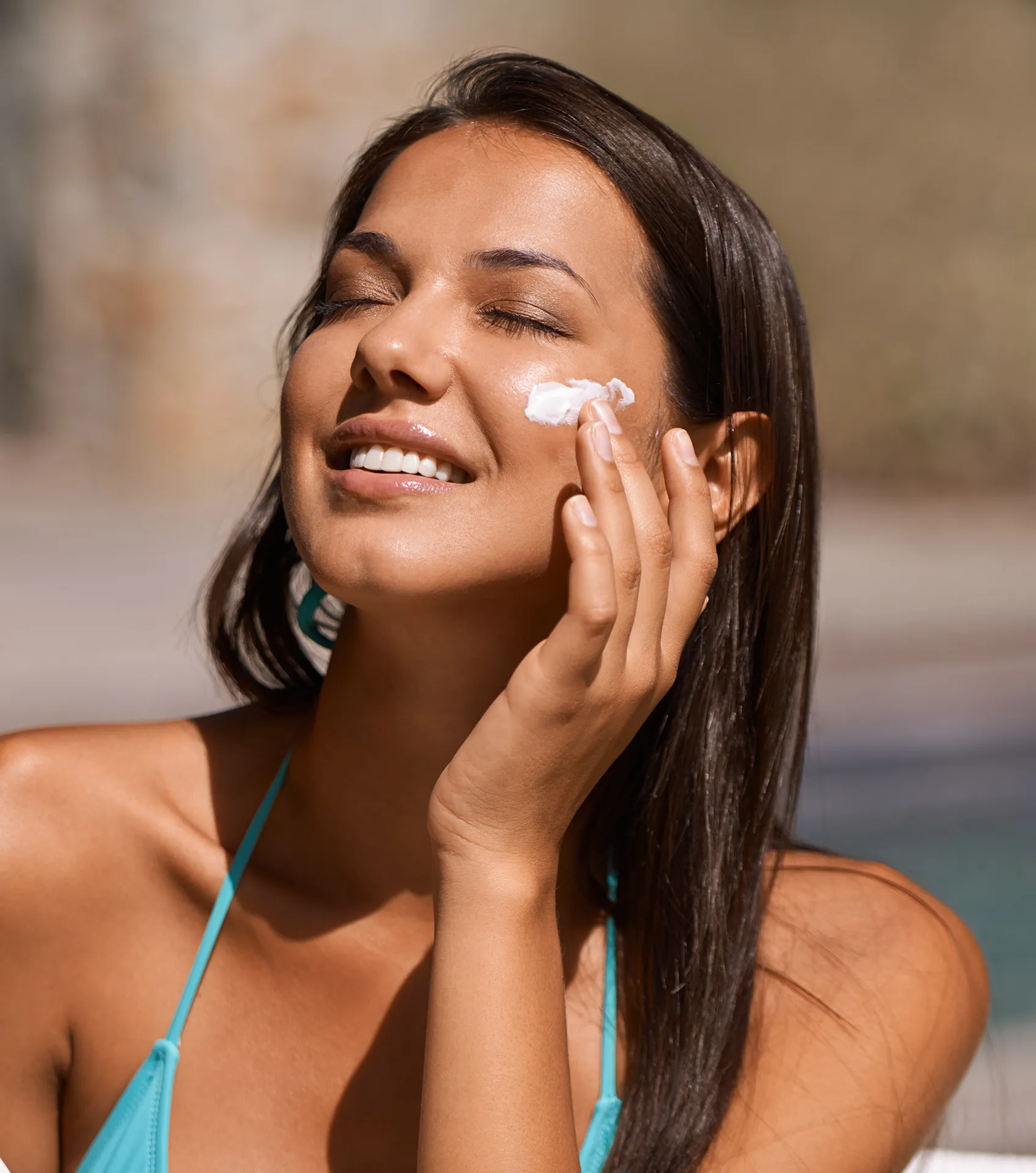

The UAE enjoys sunshine nearly all year round, but the sun’s intensity is far higher than in Central Europe. Ultraviolet (UV) radiation levels are extreme, and unprotected skin can suffer damage within minutes. Daily sun protection is not only important for comfort, but for long-term skin health, preventing premature aging, hyperpigmentation, and even skin cancer.


The Science Behind Sun Protection


Specially formulated for sensitive, baby, and children’s skin, this sunscreen contains no perfume, no colorantaModern sun care is more than just SPF numbers. It combines advanced filter systems with skin-caring ingredients. UVA and UVB rays both penetrate the skin differently – UVB causes sunburn, UVA accelerates skin aging. Additionally, IR-A (infrared-A) radiation in the UAE climate can reach deep skin layers, increasing the need for broad-spectrum protection.s, no PEG emulsifiers, and is clinically proven even for neurodermatitis-prone kids.

Parents can trust that every application gives gentle yet uncompromising protection. The mild formula avoids unnecessary additives, making it ideal for the youngest family members. Provide peace of mind with a product made for delicate skin in the demanding UAE climate.

  • Physical filters (e.g. titanium dioxide) reflect sunlight from the skin’s surface.
  • Chemical filters (e.g. octocrylene) absorb and neutralize UV radiation before it damages skin cells.
  • Added ingredients like hyaluronic acid or photolyase support skin hydration and repair.

Dermatologist-Approved & EU-Standard Tested


Our sun care products are developed and tested in accordance with strict European Union standards, ensuring maximum safety, effectiveness, and skin compatibility. Dermatologist-tested for all skin types—including sensitive and children’s skin.


FAQ – Sun Care & Science

For effective protection, adults should use about 30ml (roughly one shot glass) of sunscreen for the entire body. Most people use too little, which reduces the stated protection level. Don’t forget easily missed areas like ears, feet, back of the neck, and the backs of your hands. For the face alone, a line of cream as long as two fingers is a good rule of thumb.

You should reapply sunscreen every two hours, and always immediately after swimming, sweating, or towel-drying, even if your sunscreen is labeled as water-resistant. This ensures that the protective film remains intact and your skin is continuously protected from UV radiation.

Yes, UV rays penetrate clouds and can be reflected by sand, water, or buildings. In the UAE, the intensity of UV radiation is very high year-round. Even in the shade or on overcast days, your skin is still exposed to significant amounts of UV radiation, so daily protection is essential.

Physical (mineral) filters, such as titanium dioxide or zinc oxide, sit on the surface of the skin and reflect UV rays like tiny mirrors. Chemical filters absorb UV rays and convert them into harmless heat. Both types are safe and effective, but mineral filters are often preferred for sensitive skin or children because they are less likely to cause irritation.

The UAE has one of the world’s highest UV indexes, with strong sunlight almost every day. This dramatically increases the risk of sunburn, skin aging, hyperpigmentation, and skin cancer, especially for unprotected skin. Regular and correct use of sunscreen is essential for everyone living in or visiting the UAE, regardless of skin type.

SPF (Sun Protection Factor) indicates how much longer you can stay in the sun without burning compared to unprotected skin. For the UAE, a high SPF (at least SPF 30, preferably 50+) is recommended, especially for fair skin, children, or anyone spending extended periods outdoors.

Yes, but babies under six months should be kept out of direct sunlight entirely. For older babies and children, use a sunscreen specifically formulated for sensitive skin, with broad-spectrum protection and without perfume or unnecessary additives. Mineral (physical) sunscreens are usually best for young children.

IR-A (infrared-A) rays penetrate deep into the skin and, in high doses as found in the UAE, can contribute to skin aging and even skin damage. Some advanced sunscreens include protection against IR-A in addition to UVA and UVB for complete coverage.

Yes. While darker skin is less prone to sunburn, it is still vulnerable to UV-induced skin damage, aging, and skin cancer. Everyone, regardless of skin tone, should use sunscreen daily in the UAE climate.

Most makeup and daily moisturizers with SPF offer only limited protection and are often applied too thinly to provide the stated SPF. For effective protection, always use a dedicated broad-spectrum sunscreen as your last skincare step, and reapply as needed.